By Colleen MacDonald MacLeod
When six members of Inverness County Cares (ICC) travelled to Zambia last February and March of 2026, every suitcase carried more than clothes and supplies. Tucked among the luggage were decks of cards, dominoes, chess boards, checkers, dice and other familiar games that many Canadians remember from their childhood. At first glance they seemed like simple games. Before long they became some of the most valuable teaching tools in two schools serving children who are blind, visually impaired or living with albinism.
Each member of the ICC team contributed different skills. Betty Jane Cameron shared her experience as a nurse, midwife and music teacher. Charlotte worked with classroom teachers. Winnie shared her talents as a chef. John MacInnis tackled electrical repairs and maintenance projects. John Gillies brought his experience as a teacher and guidance counsellor, while Colleen MacDonald MacLeod focused on elementary education and teacher training.
Having worked in Zambia before, the team already understood many of the challenges facing the schools. The classrooms are beyond basic. Teaching materials are scarce and assistive learning resources are almost nonexistent. Schools simply do not have the funds to purchase the educational materials that Canadian teachers use every day. Lessons are often taught through lectures, repetition and memorization because there are few resources to make learning interactive.
One thing became obvious during an earlier visit. When classes ended and the children returned to their dormitories, there were very few indoor activities to occupy their spare time. Most recreation centred around outdoor ball games. It seemed like an opportunity waiting to happen. Before leaving Canada, ICC appealed for donations of games and playing cards. Regular visits to Value Village produced checkers, Chinese checkers, chess, Snakes and Ladders, dominoes, dice and many of the games that once filled cupboards in Canadian homes before electronic entertainment became part of everyday life. A handbook explaining the rules of every game was also prepared so teachers and students could continue using them long after the Canadian volunteers returned home.
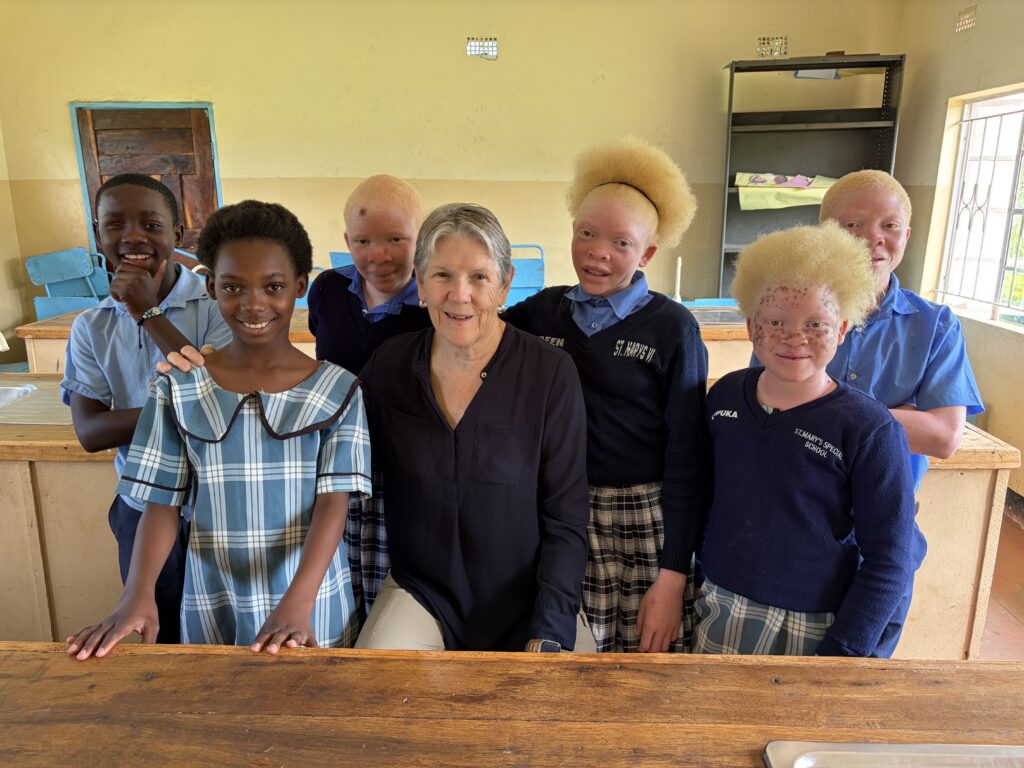
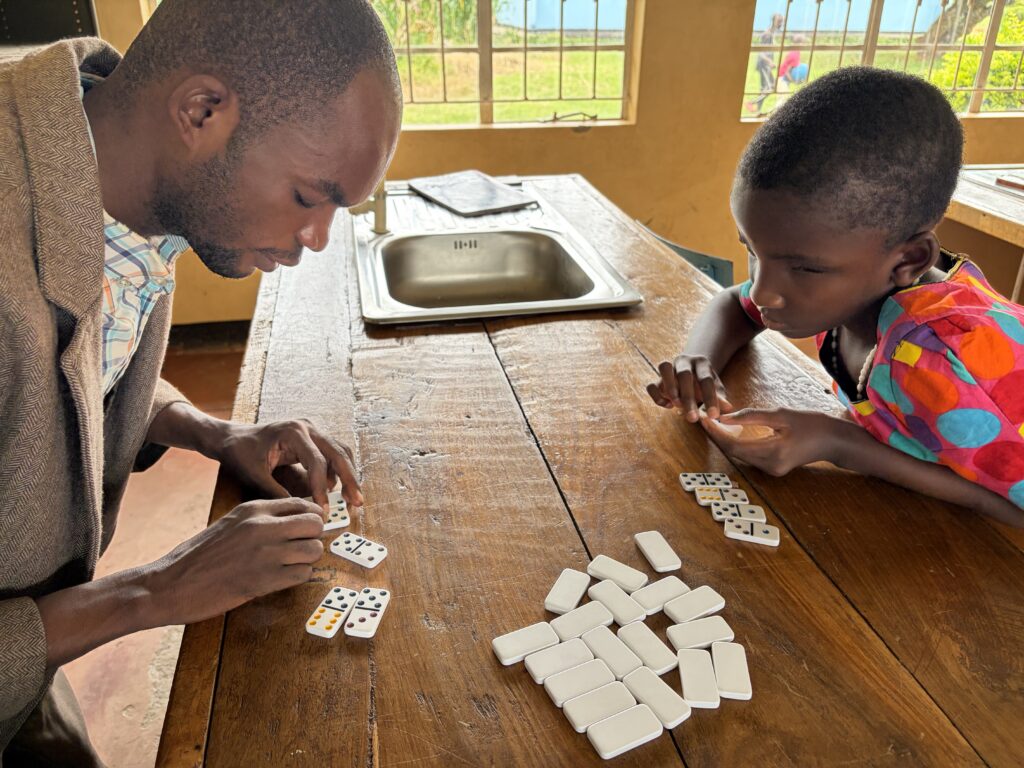
The first stop was St. Mary’s School in Kawambwa. Six senior middle school students, chosen for their leadership abilities, became game mentors. Each morning they gathered to learn another game. Go Fish, Crazy Eights and Uno quickly became favourites. Dominoes, dice games and Scrabble followed close behind. It didn’t take long before something remarkable happened. Within days, the student mentors were teaching their classmates and younger children. Those students, in turn, passed the games along to others. Learning spread naturally throughout the school. By the end of the three weeks, school administrator Sr. Agnes organized an afternoon where the student mentors taught the games to teachers, school staff and members of the school board. Watching the students confidently explain the rules and coach the adults was a proud moment. Their confidence had grown with every lesson they taught.
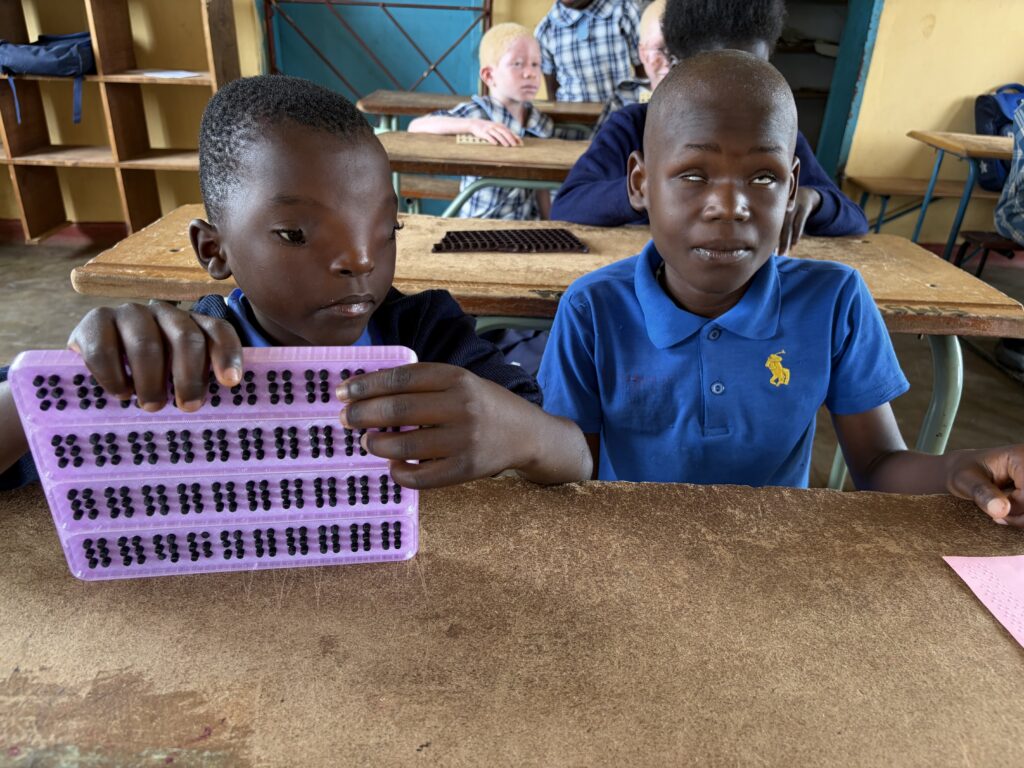
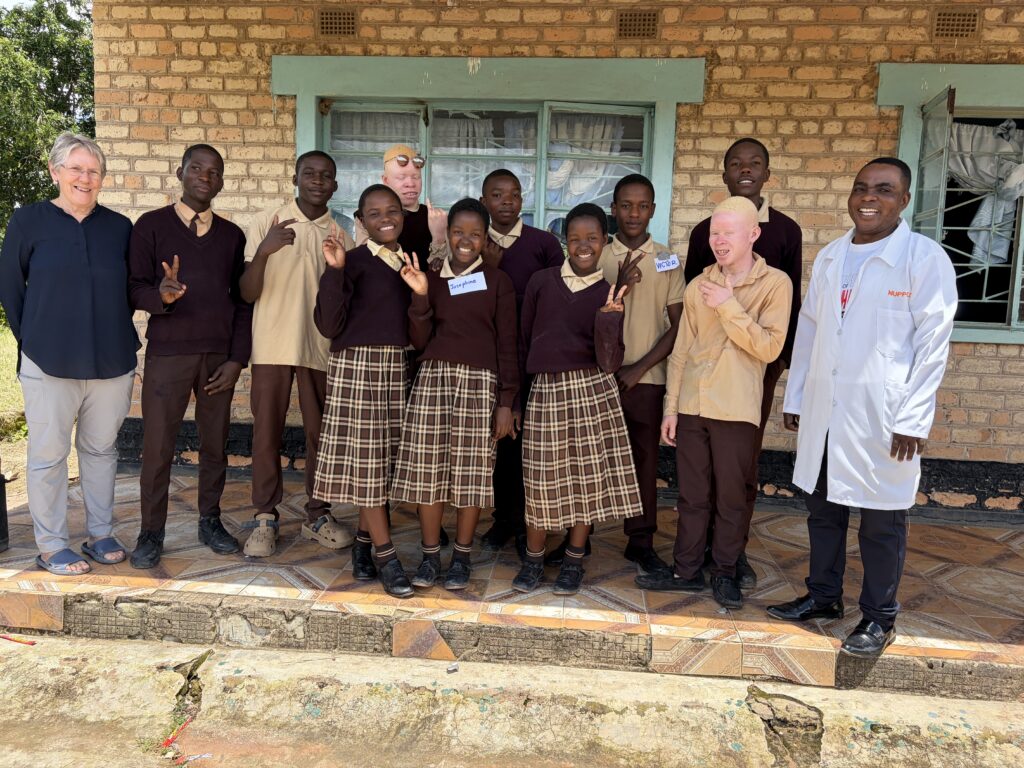
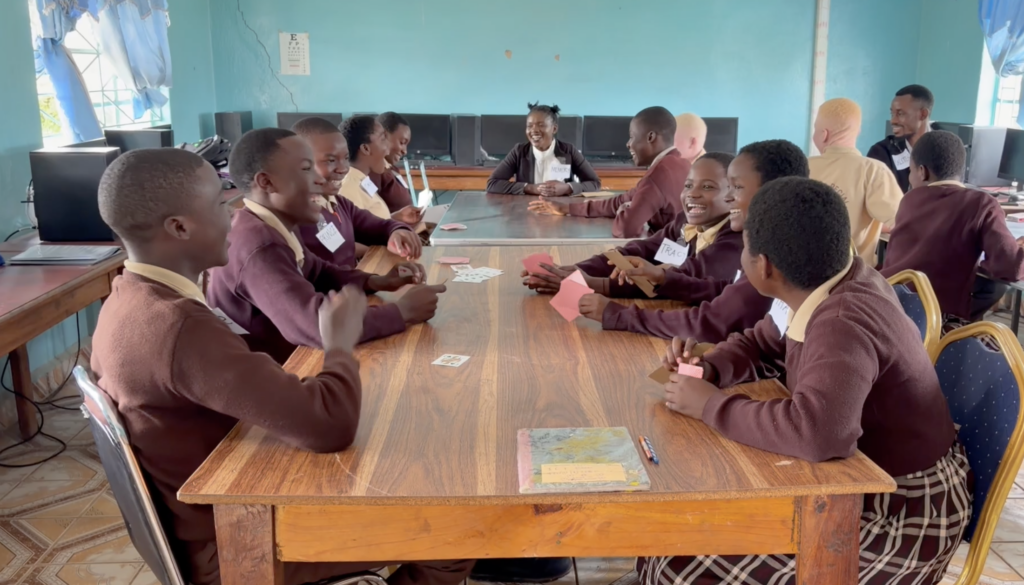
The same approach was introduced at St. Odilia School. This time 12 Grade Ten students became the mentors. Their maturity and leadership skills allowed them to master the games quickly. Before the second week was over, they had taken over the teaching themselves. The Canadian volunteers were no longer needed at the game tables because the students had become the teachers. Although many of the children are blind or visually impaired, very few games were beyond their reach. Braille playing cards, Braille Scrabble, raised dot dice and tactile dominoes allowed students to play entirely by touch. Other games were easily adapted so everyone could participate. Sometimes the games moved a little more slowly, but no one seemed to notice. The laughter around the tables said it all. Students who are blind also benefited from innovative teaching materials produced by a generous ICC supporter using a Bambu 3D printer. Braille manipulatives gave students another opportunity to learn by touch, making lessons more personal, practical and engaging.
To ensure the program continued after the Canadians returned home, Sr. Agnes took responsibility for the games at St. Mary’s while Mr. Miller coordinated the program at St. Odilia. The games were carefully stored, organized and regularly brought out for students to enjoy. Since returning to Canada, ICC has continued to receive photographs and updates showing that the games remain an important part of school life. Anyone walking past a classroom during those weeks would likely have stopped to listen. The sounds coming through the windows were not of children repeating lessons in unison, but of laughter, cheering and excited conversations. The classrooms were filled with enthusiasm. There were no discipline problems because every student wanted to participate. The excitement didn’t end with the students. Evenings at the convent often became spirited competitions as sisters and ICC members challenged one another to games of cards, Chinese Checkers and Scrabble. It quickly became clear that these timeless games appealed to every generation.
These games are much more than entertainment. Every game encourages children to think, solve problems, recognize patterns, count, remember strategies and make decisions. Card and dice games strengthen early numeracy and memory. Dominoes improve pattern recognition and spatial reasoning. Scrabble builds vocabulary and language skills. At the same time, children learn patience, cooperation, communication and how to accept both winning and losing with grace. Perhaps most importantly, these games bring people together. Around one table sit children with different abilities, teachers, sisters and visitors, all laughing together and learning from one another. A simple deck of cards or a game of dominoes becomes a bridge between cultures, generations and abilities.
Months later, the games are still being played. Students continue teaching younger students. Teachers continue using them in their classrooms. Families have joined in as well. The games have become part of everyday life in both schools. Sometimes the greatest gifts are not the most expensive or the most complicated. Sometimes they come packed in a small cardboard box filled with playing cards or dominoes, bringing learning, laughter and friendships that continue long after the visitors have gone home. Inverness County Cares is deeply grateful to the many Canadians who donated games, playing cards and financial support. Every single donation, made this project a reality.
Inverness County Cares (ICC) is a local charitable organization, founded in 2012 and based in Inverness County, NS, Canada. ICC works in partnership with Chalice.ca, a Canadian charity, based in Bedford, Nova Scotia. Chalice provides guidance and assistance to help ICC provide a better life for the children at the Kawambwa schools. The Kawambwa Project involves supporting two schools for albino and visually impaired students, in Northern Zambia. Inverness County Cares always welcomes new members. Individuals who wish to donate, can use the donate button on our website https://invernesscountycares.com When using E-transfer, please include your mailing address for CRA tax receipts and a thank you message. E-transfer address: invernesscountycares@gmail.com or send a cheque to Inverness County Cares, 5414 Route 19, Judique, NS, Canada, B0E1P0. Taxation receipts provided.