John Gillies and John MacInnis
St. Mary and St. Odilia schools were established in the 1950’s by Dutch missionaries in Zambia to cater to the needs of students who were blind, visually impaired or dealing with albinism. The buildings were solidly built on good foundations. Eventually both schools were placed in the hands of a Zambian indigenous order, the Sisters of the Child Jesus. They have continued to operate the schools in an efficient manner.
Zambia is a country with an average annual income of slightly more than $400 Canadian. Money is not readily available for the continued maintenance of the school buildings so upkeep is not regularly attended to. Priority is given to the purchase of food and clothing and necessary educational textbooks.
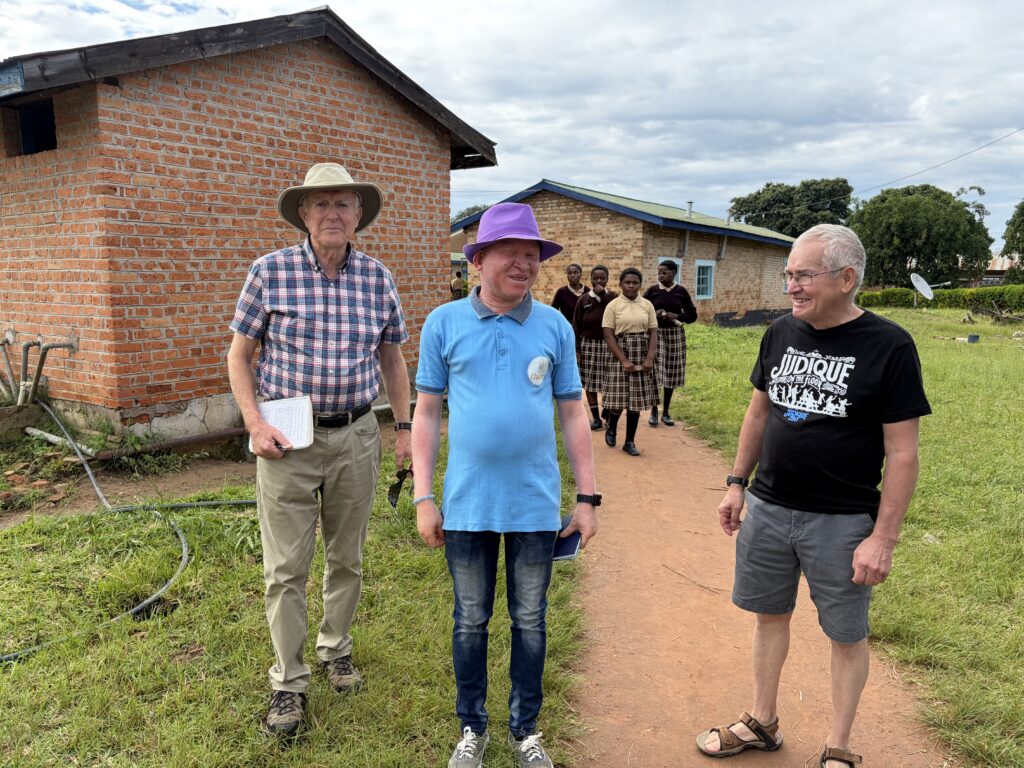
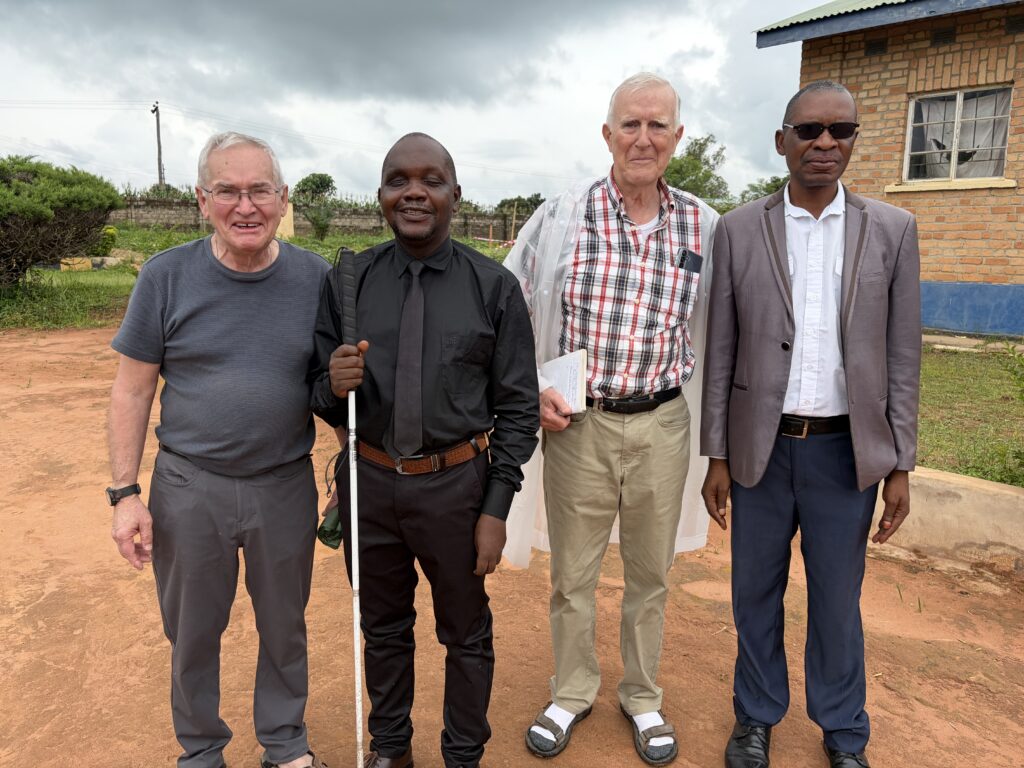
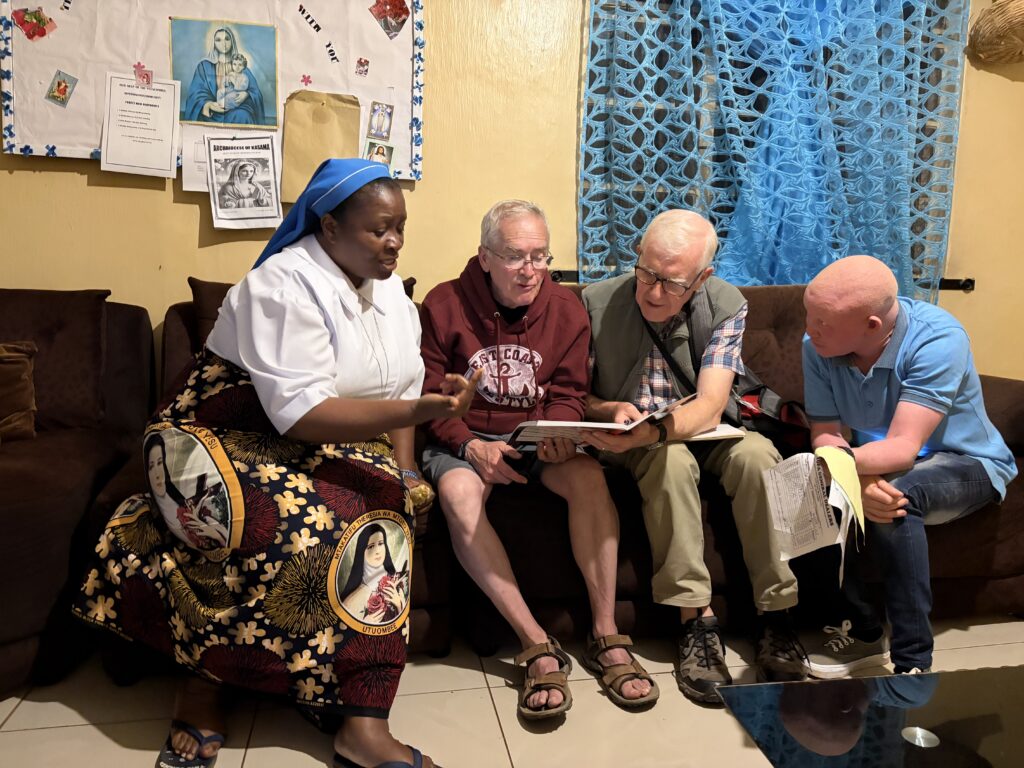
In the recent Inverness County Cares (ICC) trip to Zambia, John MacInnis and John Gillies did an inventory of maintenance needs for classroom, dormitory and institutional buildings. Priorities were established by the administrators of both schools in consultation with staff and students. With funds supplied by the supporters of ICC in Inverness County and beyond, work then began to renovate and improve both schools.
The work was carried out by local trades people from the villages of Kawambwa and Mporokoso. All the materials needed for repairs were bought at local businesses in both villages or in the nearest larger towns. Both these measures serve to help the trades people and local business economies of Zambia. More work was able to be accomplished with our budget, as both wages and material costs are considerably lower in Zambia than in Canada.
Glaziers were hired to replace broken and cracked window panes. 170 panes were installed thus improving classroom conditions. At St. Odilia School the glazier replaced outdated and broken window hardware to keep the window frames anchored in place on windy days.
Painters were employed to re-do six classrooms, three kitchen rooms and a four-room henhouse as well as some newly installed ceiling panels and classroom cupboards. A number of black boards were painted.
Carpenters were engaged to build shelves and cupboards in four classrooms and replaced rotting fascia on two buildings. Wooden doors were repaired and one new door constructed for the henhouse. New ceiling panels were put in place where needed, and door locks replaced. Doors were planed so as to shut properly. A ceiling was put in a convent dining area. A sagging carport was refurbished. Eighteen picture frames were made to hold photos of historical persons important to the two schools. Lumber and materials were provided.
Welders were hired to repair broken metal security doors for two rooms. A new metal security gate was created for the henhouse yard. Five large window frames were created and installed in buildings. Angle iron was welded to create a tower to hold two 5,000-liter tanks to provide gravity fed water to St. Mary’s School buildings. A welder is currently constructing metal bunk beds for dormitories at St. Odilia and ICC funds have been used to purchase thirty 6” thick foam mattresses.
Masons were employed to do major work at the Central Square of St. Odilia school which is surrounded by all the classroom blocks. They increased the height of the curbs in the six sections making up the Square, by adding one additional brick and mortared over their new construction. Painters then painted the curbs in a two-colour alternating pattern. These curbs are important to provide directional guidance for the blind students. This work also improved the general appearance where school assemblies, celebrations and events take place. A room was re-modelled in St. Odilia convent to provide for an elderly Sister with an enclosed bathroom and washroom.
Electricians replaced one hundred fifty light bulbs and repaired an electric cooking pot. Switches, sockets and electric stove plates were replaced where needed. Electricity was brought from the main administration building to the henhouse where ICC had provided funding for the purchase of 200 broiler chicks (meat hens) and six weeks of feed. ICC provided all the materials.
Plumbers replaced valves, taps, drain caps, flush handles, shower heads, toilet bowls and tanks in the bathrooms and wash rooms of student dormitories. Leaks were fixed and drainage systems were cleared. A new eight-foot-deep septic system was installed at St. Mary’s School for the teacher and girls’ washroom/bathroom buildings. Materials were supplied by ICC funds.
A professional well driller dug a three hundred foot well at St. Mary’s School to supplement a previous well to increase water pressure to buildings. Water will now be brought to the Multi-Purpose-Hall where all main student indoor gatherings are held. An electric pump was purchased to pump the water from the new well to the two 5,000 litre tanks and some new distribution piping has been installed.
Much was accomplished at both schools to improve the facilities available for the students. The children, school administrators, and community members continually expressed their heartfelt gratitude for the upgrades to their living conditions, made possible by the generosity of people from Inverness County, Nova Scotia, and across Canada.
All this work achieved during this trip was directly funded by monetary contributions from Canadians and your local donations of refundable bottles and cans. While we are well aware of how much more work remains to be done, it was with great satisfaction for what was accomplished, that we said our goodbyes to our friends in Zambia.
Inverness County Cares (ICC), founded in 2012 in Inverness County, Nova Scotia, works in partnership with Chalice.ca to support these two schools for blind, visually impaired, and albino students in northern Zambia. ICC welcomes new members and donors. Contributions can be made through the ICC website, by e‑transfer to invernesscountycares@gmail.com with a mailing address for tax receipts, or by mailing a cheque to Inverness County Cares, 5414 Route 19, Judique, NS, B0E 1P0.