By Colleen MacDonald MacLeod
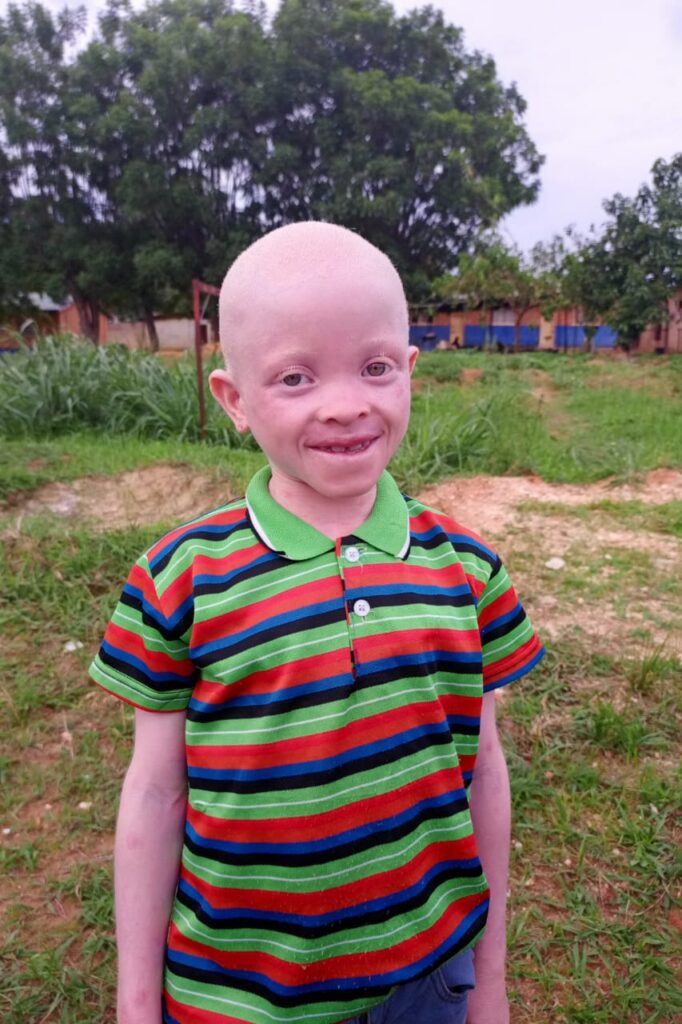
On October 16, 2026, St. Mary’s Special School in Kawambwa, Zambia, learned the heartbreaking news that Pascal, a Grade 3 student, had died after a brief bout of malaria. Pascal was a person with albinism. He had three sisters and two brothers, and his family lived in the Luwingu District in Zambia’s Northern Province.
Both of Pascal’s parents are subsistence farmers. They grow maize, cassava, and vegetables for their family, selling their produce at markets or along the roadside. They live in a typical grass-thatched house where Pascal would return during school holidays.
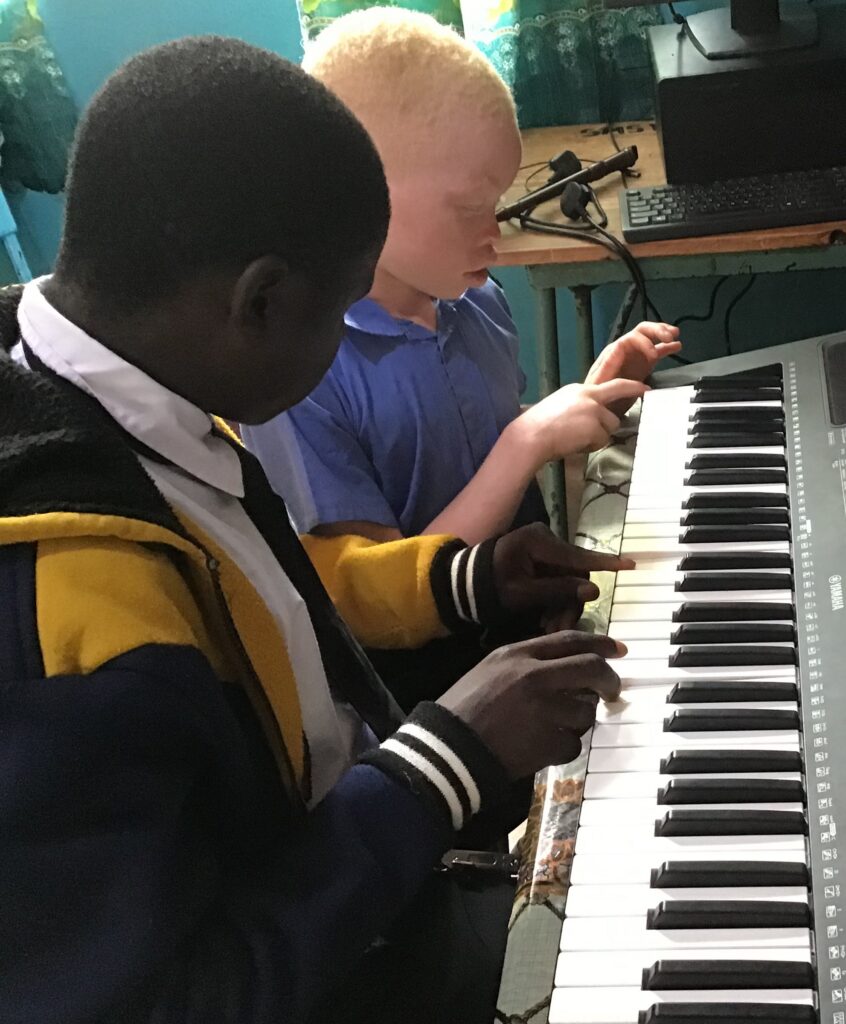
While many children with albinism face stigma in their villages, Pascal was fortunate to be welcomed by his community. He was social and outgoing and loved playing football, telling stories, moulding clay cars, and serving as an altar boy. He also enjoyed music and playing with his friends Jenam and Geoffery.
Sister Agnes, the school administrator, remembers Pascal warmly: “You were such a good boy who was talented in football, humble by nature, and so obedient. Your presence shall really be missed, for your demise was so sudden. Our minds are so upset and we are left in a dilemma since we were not expecting it … but God has allowed it. You’ve left a very big gap and we shall miss you. May your soul rest in peace.”
Betty Jane Cameron recounts,” Pascal was one of my students learning the flute. He hung around the music room and watched the instruments unpacked and the drums assembled. He was one of many who taught me the Zambian national anthem. Pascal was full of fun, wildly dancing with his class on the final day of our grand celebration. A delightful young boy.”
Malaria rates in Northern Zambia are among the highest in the world. Because transmission rates are so elevated, the average child contracts malaria at least once a year. When treated early, the fatality rate is low. However, if treatment is delayed and a child is hospitalized with severe malaria, the death rate rises to approximately 8%. Pascal was taken to the Kawambwa General Hospital, where he was diagnosed and treated, but his condition worsened rapidly and he passed away within days.
Malaria typically begins with flu-like symptoms, often presenting as a high fever, intense shaking, chills, and profuse sweating. Severe headaches, muscle aches, fatigue, nausea, vomiting, and diarrhea, are also commonly experienced. If left untreated, the infection can rapidly progress to life-threatening malaria.
The illness is common among children at St. Mary’s School. Many pupils, as well as the sisters and staff, contract it regularly. The northern provinces are the most affected regions in the country. Heavy rains, tropical wetlands, and thick forests create ideal breeding grounds for mosquitoes. About 98% of cases are caused by the deadliest type of malaria parasite. Children under five and pregnant women suffer the most, since malaria is the leading cause of death for young children.
Treatment for uncomplicated malaria costs about $3 USD per case. Severe malaria in children requiring hospitalization can cost up to $15 USD.
Malaria in these villages is as common as the seasonal flu in temperate regions. Nearly every child experiences it each year, but most recover with treatment. Transmission occurs all year, though cases skyrocket right after the heavy rainy season.
Public health groups and major news outlets, including The Washington Post and The New York Times, report that dismantling USAID paused $76 million in medical deliveries. This cut off 80% of malaria medication and abruptly stopped the trucks moving supplies to rural clinics.
To decrease the rate of infection, education stands as the first priority. Villagers need to know they can clear mosquito breeding grounds by filling in muddy puddles and tire tracks, keeping water containers covered, and cutting grass short within 15 metres of their homes. Alongside education, insecticide-treated bed nets provide a life-saving tool. Supplying schools and families with these nets, costs about $42 Canadian dollars per net.
The Community Health Worker Model offers another path forward to address the isolation of remote villages and the lack of transportation. Trusted local volunteers are trained in their own villages and equipped with rapid finger-prick tests and basic oral antimalarial pills. They can diagnose and treat children within the critical first 24 hours of a fever, keeping mild malaria from turning fatal.
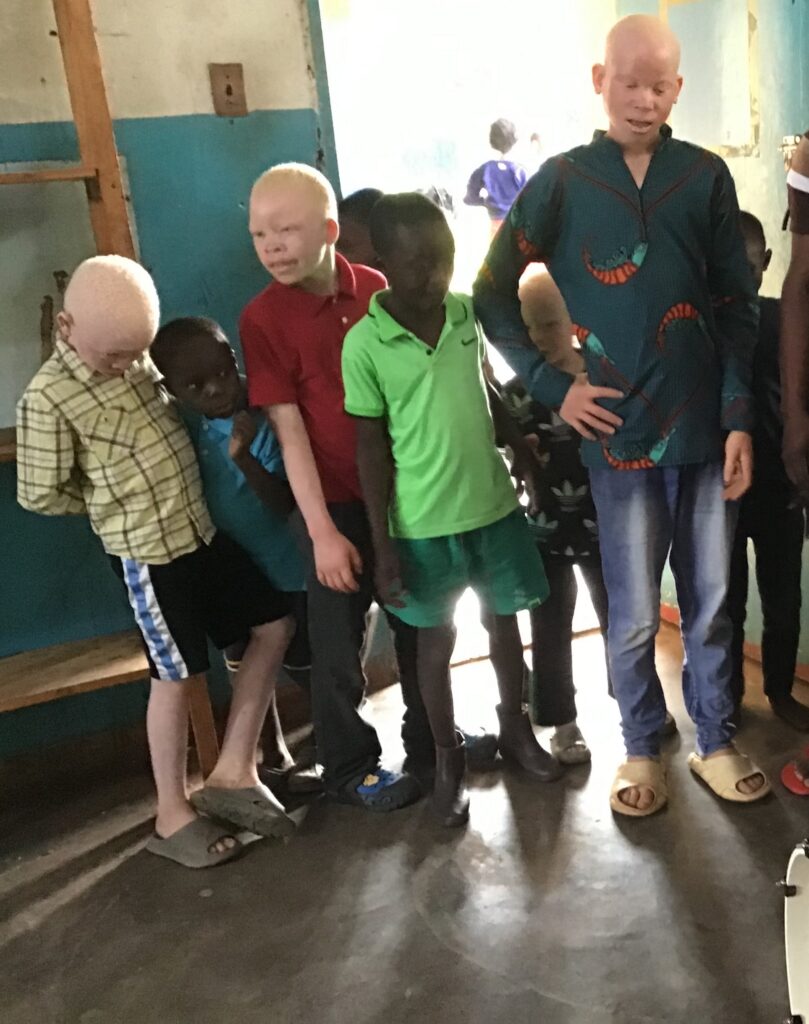
Children who are blind, visually impaired, or living with albinism have severe, unique vulnerabilities to malaria. Blind students cannot see or swat mosquitoes, making bed nets their absolute lifeline. Students with albinism also have highly sensitive skin; constant scratching from bug bites can lead to dangerous skin breaks and chronic infections.
When ICC members visited Zambia, they were well prepared with antimalarial medication. Local Zambians do not take preventive malaria medication continuously because the cost would amount to 20% to 25% of their yearly income. When visiting Zambia in 2026, ICC members noted that approximately five of the sisters were unwell with malaria just at St. Mary’s. They take the medication, take a few sick days, and treat it much like the flu is experienced in Canada.
It is important to keep in mind that the average yearly income of a subsistence farmer is approximately $400 CAD. Medication that Westerners consider reasonably priced is way beyond their budget. At both schools, the students and staff do not have mosquito nets, which are considered the primary inexpensive solution. It is our hope that mosquito nets will be available in the future, keeping in mind that the schools must weigh which priorities are the most urgent.
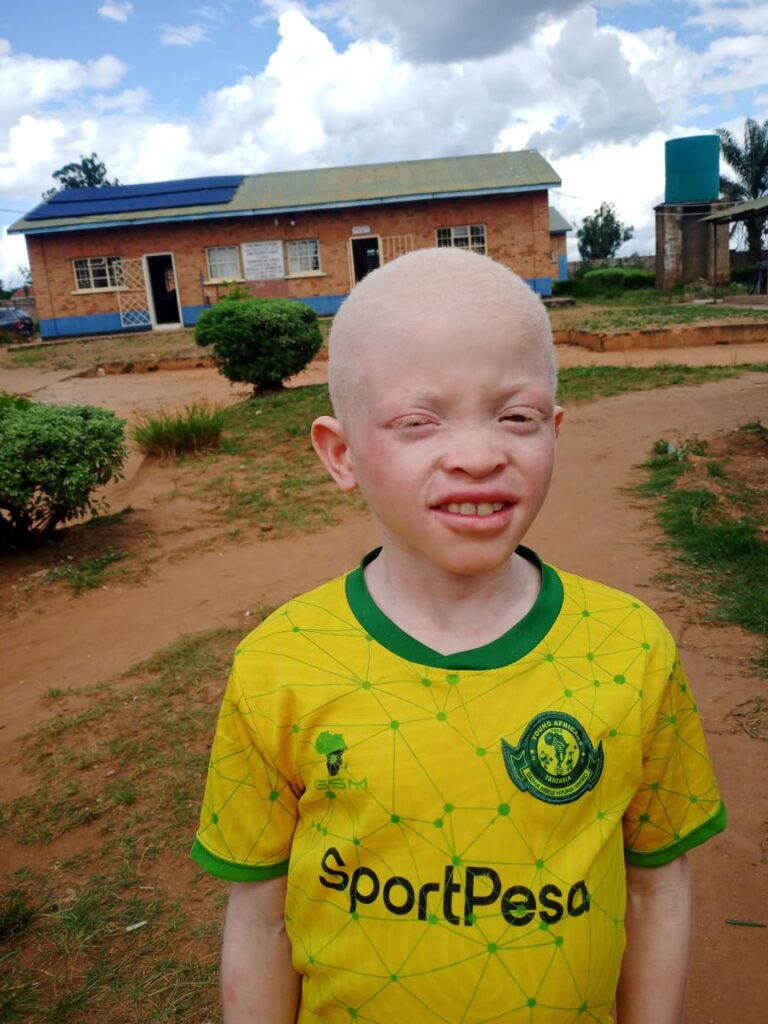
Inverness County Cares (ICC) is a local charitable organization, founded in 2012 and based in Inverness County, NS, Canada. ICC works in partnership with Chalice.ca, based in Bedford, Nova Scotia. Chalice provides assistance through site visits, audits and accounting. The Kawambwa Project supports two schools for blind, albino and visually impaired students in Northern Zambia. https://invernesscountycares.com
When using E-transfer, please include your mailing address for CRA tax receipts and a thank you message. E-transfer address: invernesscountycares@gmail.com or send a cheque to Inverness County Cares, 5414 Route 19, Judique, NS, Canada, B0E1P0. Taxation receipts provided.
We still have some organic garlic for sale, contact Colleen MacLeod, 119 Lower Shore Road, Judique. 902-227-5425. Email: colmac27@gmail.com