By Winnie Rankin
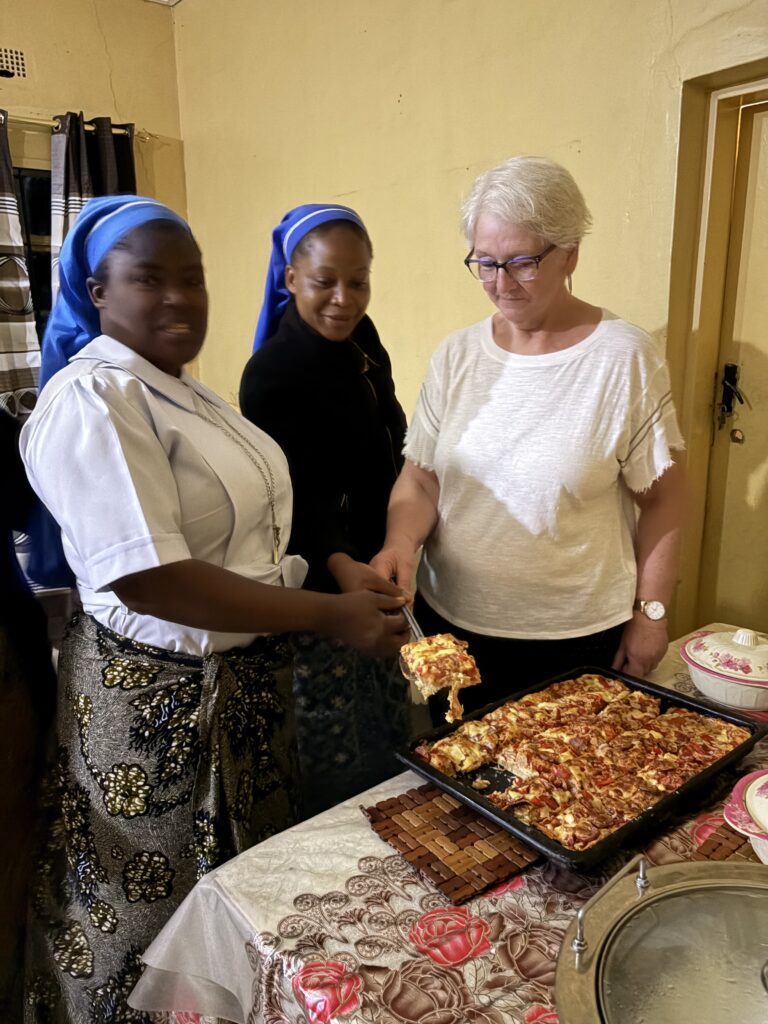
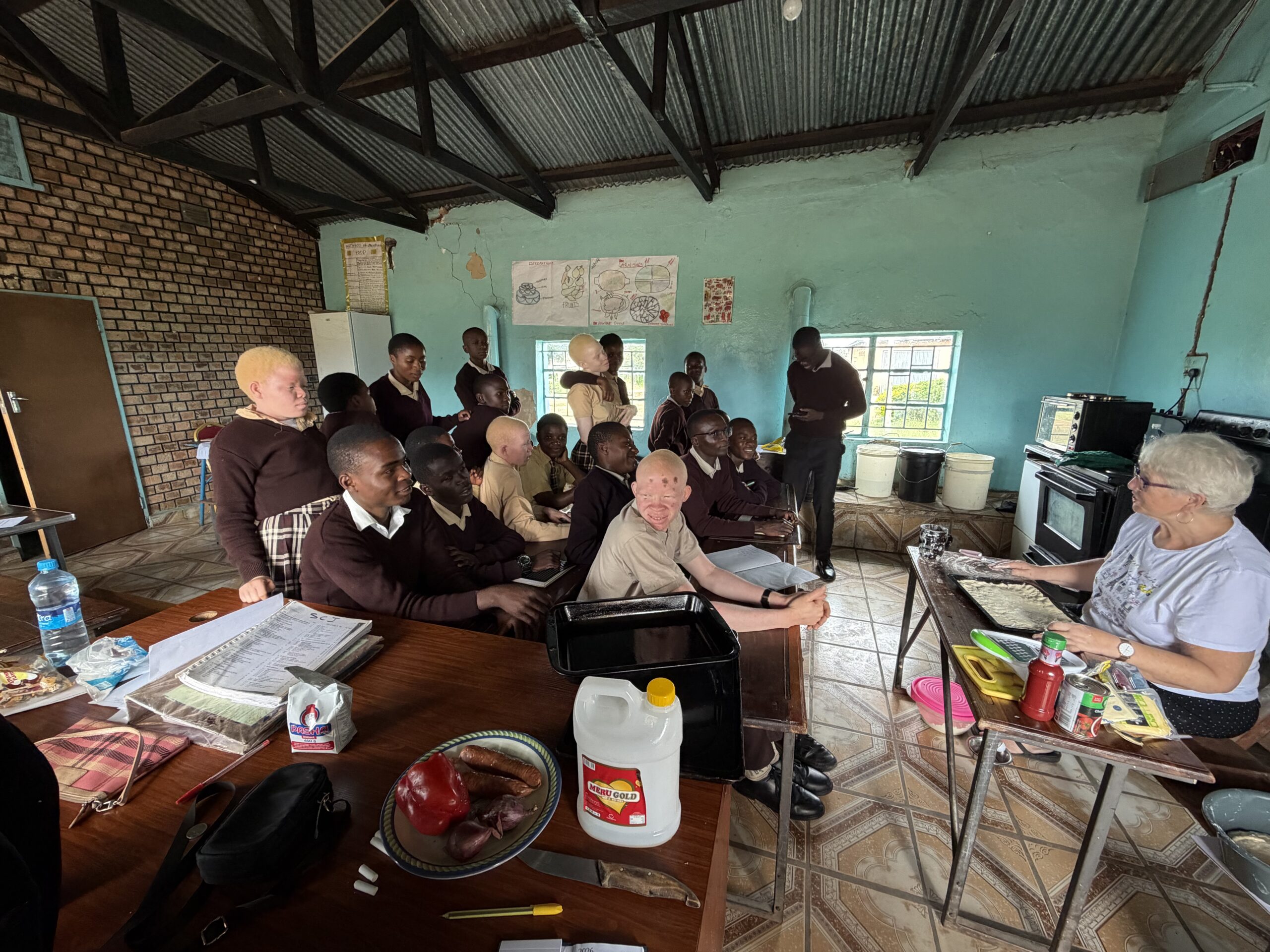
What surprises me most about the children in Zambia is not how different their lives are from ours in Canada, but how similar they are. When I first travelled there in 2024, one of the very first things the students asked me was if I would make pizza.
They had never actually eaten it before, but they heard about it on the internet through shared phones or the occasional computer. I bet they first saw it in music videos, since that is what they watch the most.
I quickly tried to explain the massive hurdles we would face. Many of them do not have an oven at home because they lack electricity. Luckily, we did have an oven at the school. The real problem was sourcing the ingredients.
Zambia does not really have a dairy industry, though they do raise some cattle for meat. Without traditional refrigeration to store cream or milk, no one ever got into the habit of using them. Today, those who have fridges and want milk use long life milk that does not require keeping it cold. That is what we used at the convents where we stayed.
Unlike other hot countries where people preserved cheese by drying it or storing it in caves, the practice never took hold in Zambia. They did not make butter either. Everyone uses margarine made with vegetable oil. There is even a brand of margarine called Butter, which was super confusing for us at first! We would ask for butter and local residents would kindly pass us a container of margarine. We quickly learned that there was no real butter in the villages.
Eventually, we discovered that real butter was available in the larger cities at a supermarket called Shop Rite. Local people do not shop there, but the sisters would buy things there to feed us, including jams, instant coffee, and processed cheese slices. We found real butter there, imported from Botswana or Zimbabwe. I looked for mozzarella cheese back in 2024 but came up empty.
This time, after more requests for pizza from the kids and even the sisters, I searched the shelves at Shop Rite again and finally found it! I only bought two packages and quickly realized I should have bought more. I also found pureed canned tomatoes, which was the closest thing to pizza sauce available. I bought another bottle labeled tomato sauce that turned out to be ketchup! I did mix some of that in with the canned tomatoes, along with spices I brought from home like oregano, thyme, and garlic powder.
People do not usually make bread since they have no ovens, but the kids at the schools are getting used to commercial sliced bread and really like it.
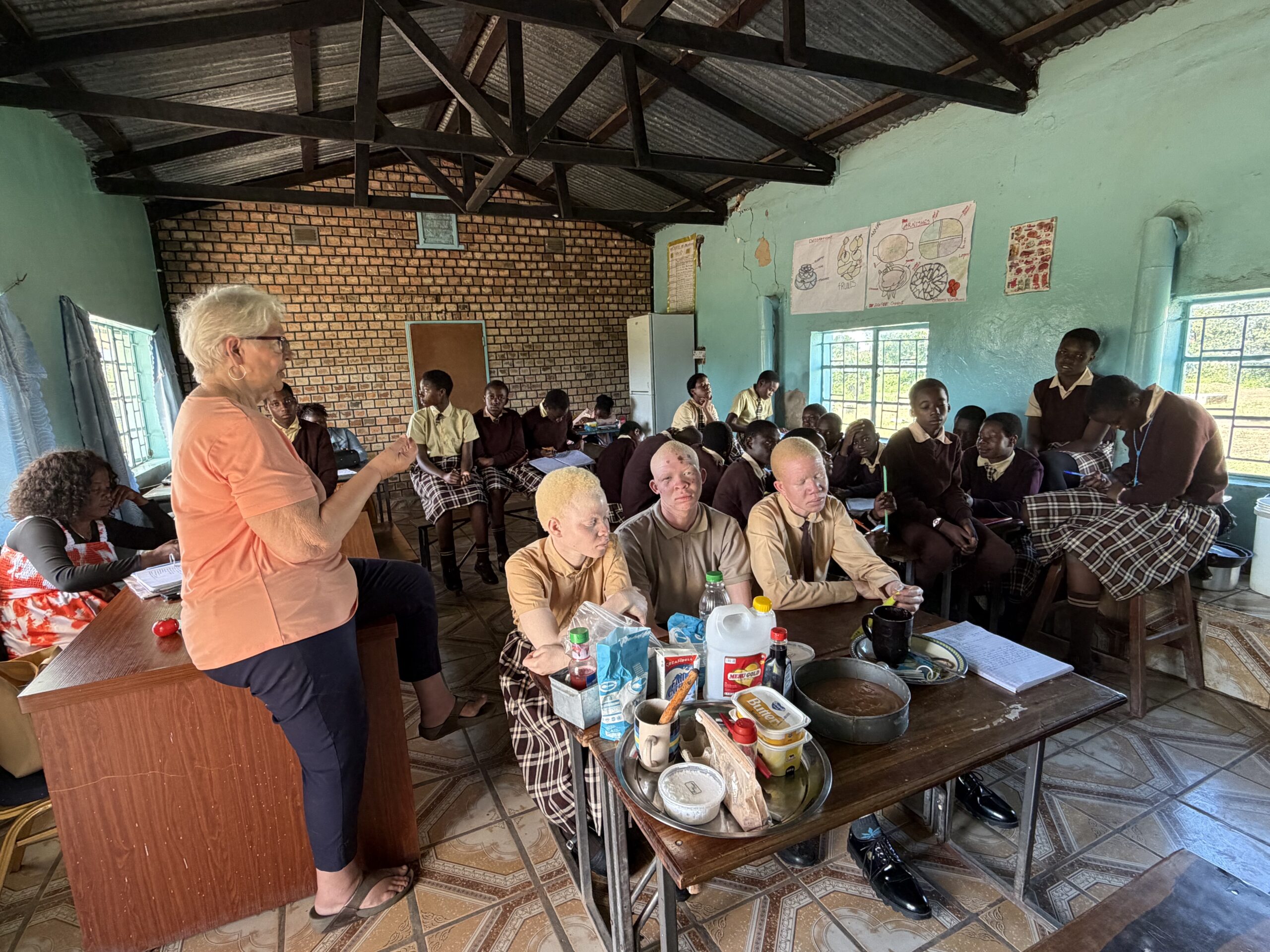
We had no pizza pans but found some others that worked, though they were a bit dark on the bottom. We made the crust, told the students the story of how yeast works, and showed them how to cut vegetables like onions, green peppers, and fresh tomatoes. Then we grated the cheese. I mixed the sauce, put it on the two crusts, and showed them how to sprinkle the toppings evenly.
We were finally ready for the oven! Then, disaster struck. The school oven did not work. I had to take the pizzas over to the convent and use their oven instead, but only one pan would fit at a time. I cooked one and sent it over while putting the other in. I rushed back to the school to find the kids waiting for me, they had not even started eating yet! I quickly cut it up and passed it out on small pieces of paper, then rushed back to take out the other one.
To be honest, the pizzas were not great. They did not have enough cheese or vegetables, and their local flour made the crust harder than usual. But the students were absolutely thrilled! There were even kids outside the door hoping for a taste of this exotic food. They licked their fingers and enjoyed every single bite.
I heard later that some went to the Assistant Head Mistress’s office just to brag that they had made and eaten pizza. They were just like children everywhere else in the world, wanting to do and have what all their peers have. I ended what felt like a very frustrating day with a product I was not thrilled with, but they were so incredibly happy that I let the rest go.
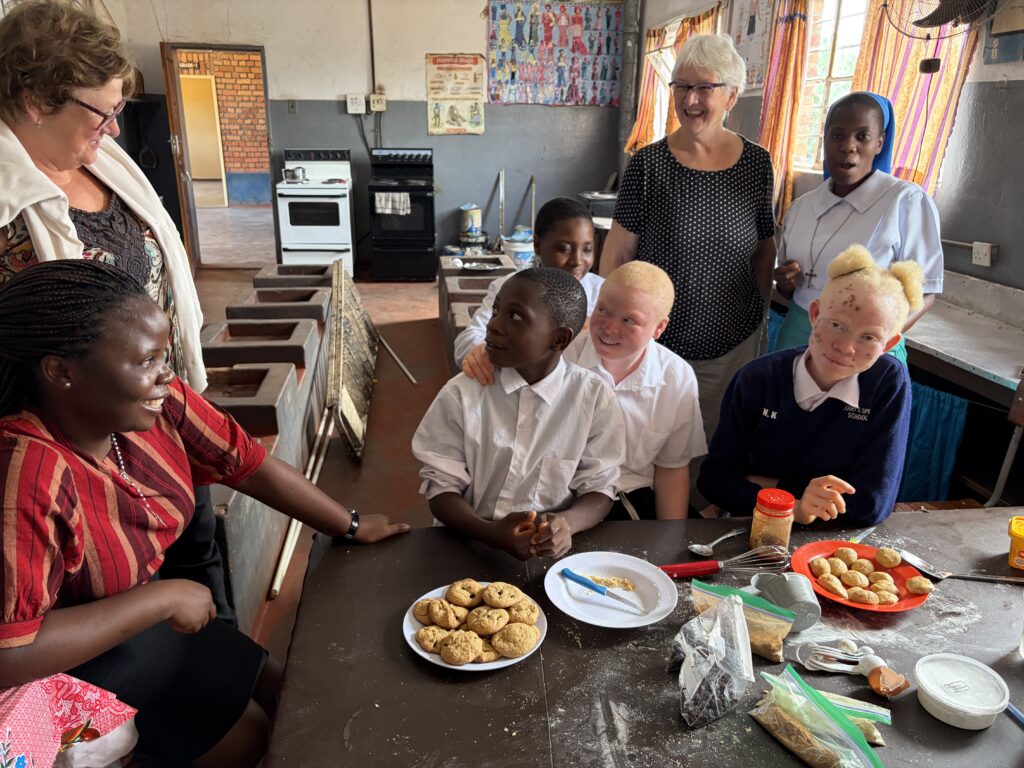
They also requested chocolate cake. This time I had the butter, the milk from the convent, and the cocoa I brought from home. The cocoa did the trick with a bit of vinegar to sour the milk. Again, they were very happy with the results, even if it was not perfect. They just wanted to taste chocolate cake since the traditional cake there is a white pound cake.
I found that I learned more about their food, their culture, and why they ate the way they did than I could have ever imagined. It was so much better than going on a typical tourist trip where you just look in from the outside. This was truly looking from the inside.
icczambia.blogspot.com Check out our blog documenting Inverness County Cares’ trip to Zambia.
Inverness County Cares will conduct community presentations on their six-week visit to schools for the blind and visually impaired, in Zambia. Come and learn about their life, the challenges they face, their resilience and how donations from Canada have changed their lives. Free admission.
|
Tuesday April 28/26 |
St. Peter’s Parish Hall Port Hood |
7:00 |
|
Wednesday May 6/26 |
Judique Community Center |
7:00 |
|
Change of date, TBA |
Margaree Forks Fire Hall |
TBA |
|
Thursday, May 14/26 |
St. Mary’s Parish Hall, Mabou |
7:00 |
|
Wednesday, May 20 /26 |
Creignish Community Center |
7:00 |
|
Monday, May 25/26 |
Skye Glen Community Hall |
7:00 |
|
Monday, June 1/26 |
Inverness Legion |
7:00 |
Inverness County Cares (ICC) is a local charitable organization supporting two schools for albino and visually impaired students, in Zambia. If using E-transfer, please include your mailing address for CRA tax receipts and a thank you message. E-transfer address: invernesscountycares@gmail.com or send a cheque to Inverness County Cares, 5414 Route 19, Judique, NS, Canada, B0E1P0. Taxation receipts provided.